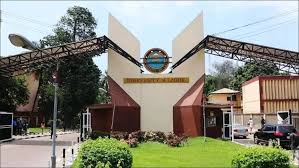
Thousands of Nigerian students who were preparing to gain admission into two of Nigeria’s most prestigious universities the University of Lagos (UNILAG) and Obafemi Awolowo University (OAU) were thrown into confusion after a shocking legal development. The Federal High Court has ordered a temporary halt to the 2025/2026 admission processes of both institutions following a legal dispute over admission procedures and compliance with national education regulations.
This ruling instantly became one of the most talked-about education news stories in Nigeria because UNILAG and OAU are among the most competitive universities in the country. Every year, hundreds of thousands of candidates apply to these schools through JAMB, but only a small percentage get admitted.
The court order has serious implications for:
- UTME candidates
- Direct Entry applicants
- Parents
- University administrators
- The entire admission timeline
In this article, we explain what led to the court ruling, what it means for students, how long the suspension may last, what JAMB says about it, and what affected candidates should do next.
Background: Why Admissions Are Strictly Regulated in Nigeria
Admissions into Nigerian universities are governed by:
- The Federal Ministry of Education
- JAMB
- National Universities Commission (NUC)
Every university must follow:
- Approved admission quotas
- JAMB CAPS
- Merit-based and catchment-area rules
- Federal character principles
UNILAG and OAU, being federal universities, must comply strictly with these regulations.
What Led to the Court Case?
The legal action was filed by:
- Concerned stakeholders
- Parents
- Advocacy groups
They accused the universities of:
- Violating admission guidelines
- Bypassing JAMB CAPS
- Favoring certain applicants
- Ignoring federal admission rules
The court was asked to intervene to protect:
- Fairness
- Transparency
- Equal opportunity
What the Federal High Court Ordered
The Federal High Court ordered that:
- All admission activities for the 2025/2026 session in UNILAG and OAU must stop
- No new offers should be made
- No lists should be uploaded
- No CAPS processing should continue
This remains in effect until the court resolves the case.
Why the Court’s Decision Matters
This ruling is important because:
- It reinforces the rule of law
- It protects candidates from unfair practices
- It ensures schools follow JAMB and NUC rules
Who Is Affected?
The people affected include:
- UTME candidates who applied to UNILAG or OAU
- Direct Entry candidates
- Transfer students
- Parents
- University admission offices
What Happens to Candidates Who Were Already Offered Admission?
Students who already:
- Accepted admission on CAPS
- Printed admission letters
May still be safe, but final clearance could be delayed.
Those who:
- Were still waiting
- Had not been offered admission
Must wait for the court’s final decision.
How Long Will the Suspension Last?
There is no fixed date.
It depends on:
- How fast the court hears the case
- Whether parties reach a settlement
What JAMB Says About It
JAMB has:
- Acknowledged the court order
- Directed schools to comply
- Promised to protect candidates
What Students Should Do Now
If you applied to UNILAG or OAU:
- Do not panic
- Keep checking CAPS
- Follow official updates
- Consider backup schools
Common Mistakes to Avoid
Do not:
- Pay agents
- Accept unofficial offers
- Spread rumours
FAQs
Is UNILAG admission cancelled?
No, it is only suspended.
Can I switch schools?
Yes, through JAMB change of institution.
Will the session be lost?
Unlikely.
Conclusion
The Federal High Court’s order to halt admissions at UNILAG and OAU is a powerful reminder that Nigerian university admissions must be fair, transparent, and lawful. Students should remain calm and follow official channels.