Getting a short-term loan from a smartphone app is now a normal way many Nigerians bridge cash gaps from paying bills to restocking stock. Loan apps promise speed and convenience, but fees, privacy practices and repayment rules vary widely. This guide reviews the most-used loan apps in Nigeria in 2025, compares their typical loan sizes, speeds and costs, highlights safety and legal points you must know, and gives step-by-step tips to get a loan without falling into traps. Wherever possible, I reference official pages and recent regulator actions so you can make a confident choice.
Table of Contents
Quick comparison at a glance
Note: Terms change often. The table shows typical ranges and common features reported in 2025. Always confirm on the lender’s official page or app before accepting a loan.
| App (popular in Nigeria) | Typical max loan (₦) | Typical interest / fees* | Speed | Strength |
|---|---|---|---|---|
| Branch | ₦30,000 → ₦1,000,000 (top customers) | Variable; short-term APRs high if rolled over | Minutes to hours | Fast onboarding, scalable limits. |
| FairMoney | ₦10,000 → ₦500,000 | Variable; short-term loans have service fees & APRs | Minutes to hours | Quick approval, transparent UI. |
| Carbon (ex-Paylater) | ₦5,000 → ₦500,000 | Subscription or interest-based; varies by product | Minutes to hours | Big ecosystem (savings, investments). |
| PalmCredit / PalmPay (loans by Palm) | ₦5,000 → ₦200,000 | Higher short-term fees versus banks | Minutes | Easy for new customers, promo rewards sometimes. |
| Migo | ₦5,000 → ₦200,000 | Varies; small short-term loans available | Minutes | Good for quick, tiny credit lines. |
| Others (KiaKia, Renmoney, QuickCheck) | ₦5k → ₦500k | Vary widely check app | Minutes–days | Specialist products (POS, business, salary loans) |
“Typical interest” is highly variable many apps use dynamic fees, flat service charges, or daily rates. See each app’s terms before borrowing. (Sources: official app pages & recent reviews.)
-

JAMB Flags Thousands of Illegal Admissions Nationwide — Board Clamps Down on Unauthorized Offers Across Institutions
The Joint Admissions and Matriculation Board (JAMB) has intensified efforts to crack down on illegal admissions across Nigeria’s tertiary institutions. In a recent nationwide audit, the board flagged thousands of unauthorized admission cases, including candidates who were admitted without proper documentation or through unofficial channels. This move comes as part of JAMB’s broader mandate to…
-

No UTME/DE Form Fee Increase for 2026 Registration — JAMB Assures Applicants of Stable Registration Cost
The Joint Admissions and Matriculation Board (JAMB) has officially confirmed that there will be no increase in the registration fees for the 2026 UTME (Unified Tertiary Matriculation Examination) and Direct Entry (DE) forms. This announcement comes as a relief to millions of Nigerian students and their parents who annually prepare financially to participate in these…
-

Affordable Universities Candidates Should Consider for 2026 UTME — List of Accessible Universities for UTME Aspirants
Every year, thousands of Nigerian students sit for the Unified Tertiary Matriculation Examination (UTME) with hopes of securing admission into top universities. While some candidates dream of elite federal or private universities, the reality is that tuition and living costs can be prohibitively high for many families. For these students, choosing affordable universities becomes a…
How these loan apps work simple steps
Most digital lenders follow this flow:
- Download the app (Google Play / App Store) or sign up on the website.
- Create an account (name, phone, BVN in many cases).
- Complete quick KYC (photo ID, selfie, sometimes utility bill).
- Request loan choose amount & tenor; consent to checks.
- Offer & disbursement if approved, money hits your bank or USSD-linked account in minutes.
- Repay on due date automatic debit or manual transfer; missed payments may attract extra fees and reminders.
Detailed reviews, what each app is best at (and warnings)
Branch ; Pros, cons & who should use it
Why people like it: fast approvals, high scaling potential for repeat good customers.
Typical offer: small loans instantly; higher limits after repeated on-time repayments. Branch operates in Nigeria via a local presence and global brand. Key source: Branch Nigeria product page.
Watch out for: dynamic fees; late payments can increase cost significantly. Read the repayment terms before accepting.
FairMoney. Pros, cons & who should use it
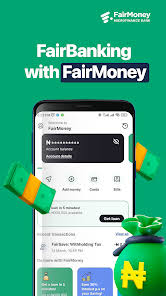
Why people like it: straightforward UX and quick decisioning; offers loans and bill pay/utility features. Source: FairMoney official pages.
Watch out for: service charges and variable APRs depending on credit risk.
Carbon (ex-Paylater). Pros, cons & who should use it
Why people like it: full fintech stack lending, savings, investments. Lenders sometimes bundle services (e.g., subscription fees vs interest). Source: Carbon official site.
Watch out for: product type matters read product T&Cs (some offers are short-term high-fee).
PalmCredit / PalmPay loan offerings. Pros, cons
Why people like it: quick small loans, promotions through the Palm ecosystem. Source: PalmPay product pages and app descriptions.
Watch out for: higher fees for first-time/short tenor loans.
Migo (quick micro-loans)
Why people like it: very fast micro-loans for small needs. Source: Migo info and app listings.
Watch out for: small limits and potential aggressive collection if you default.
Smaller or specialist lenders (KiaKia, Renmoney, QuickCheck, etc.)
These target either micro-consumers or SMEs and often require more documentation for larger loans. Terms vary widely; check official product pages or bank partners for the most accurate rates.
Safety, fees & regulator action (what changed in 2025)
- Regulatory pressure increased in 2025. Nigeria’s consumer watchdogs and fintech regulators have tightened oversight of digital lenders after complaints about high rates and harassment. The FCCPC began enforcing new rules and penalties on non-compliant digital lenders during 2025. This means firms now face fines and registration requirements if they don’t follow consumer rules. Use licensed/registered operators.
- Privacy & contact harvesting: Some loan apps previously used aggressive contact-collection tactics; regulators and telecos are clamping down. Always review the app’s permissions and privacy policy before consenting. If an app demands your contact list upfront and you don’t want to provide it, reconsider. (See consumer complaints and regulator notices.)
- Pricing: Many apps quote flat fees (a one-time service charge) rather than an APR that can mask high effective rates for short tenors. Always convert to an annualised percentage to compare fairly.
How to choose the right loan app, checklist
Before you tap “Accept”:
- Read the full repayment terms due date, fees, default charges.
- Check registration is the app operated by a registered Nigerian entity? (CBN / FCCPC oversight matters.)
- Confirm disbursement method bank transfer, USSD, wallet?
- Look for transparent fees any app that hides fees in fine print is risky.
- Check repayment flexibility can you repay early without penalty?
- Check reviews Play Store/App Store and Nigerian fintech review sites.
- Avoid unnecessary permissions camera and ID yes; contact-list access? be careful.
- Start small test one small loan, repay on time, then consider larger offers.
How to increase your loan limit responsibly
- Repay on time good history is the single biggest driver of higher limits.
- Complete KYC full verification often unlocks more products.
- Keep your BVN and bank details consistent mismatches trigger rejections.
- Use the app’s wallet/savings product (if available) platforms reward engaged users with higher limits.
What to do if a loan app harasses or blackmails you
- Document everything screenshots, call logs, messages.
- Complain inside the app save the response.
- Report to FCCPC and the Central Bank where applicable FCCPC has ramped up enforcement against non-compliant lenders.
- Inform your telco if calls/texts are abusive telcos now act on serious breaches.
- Seek legal help if there is extortion or threats harassment for debt collection is illegal.
FAQs
Q1. Are loan apps regulated in Nigeria?
A: Yes, lenders must comply with local law, customer due diligence, and FCCPC/CBN rules. 2024–2025 saw stronger enforcement of digital lending rules. Always choose registered operators.
Q2. Can I borrow without BVN?
A: Some apps allow tiny micro-loans without BVN, but many require BVN for higher limits and KYC. Not supplying BVN may limit options.
Q3. Are loan app interest rates higher than banks?
A: Typically yes for short-term convenience loans. Banks usually charge lower rates for formal loans, but they require collateral or longer processing. Convert flat fees to APR to compare.
Q4. What happens if I miss repayment?
A: Expect reminders, possible extra fees, and potential reporting to credit bureaux; repeated default can reduce eligibility for future loans and attract collection activity. Read the app’s penalties section.
Q5. Which loan app is cheapest?
A: “Cheapest” depends on amount and tenor. Short tenors with high flat fees can be very expensive. Compare effective rate (convert to APR). Use the app calculators or do a manual APR conversion before agreeing.
Conclusion
Loan apps are powerful tools for quick cash but come with risks: variable pricing, privacy concerns, and sometimes aggressive collection. In 2025 regulators tightened oversight a good sign but you still need to read terms, compare effective rates, protect your BVN and personal data, and choose registered lenders. Start with small, single-use loans from reputable apps (Branch, FairMoney, Carbon, PalmCredit, Migo are market leaders often cited in 2025 reviews) and repay on time to build access to better terms.
-
JAMB Flags Thousands of Illegal Admissions Nationwide — Board Clamps Down on Unauthorized Offers Across Institutions
The Joint Admissions and Matriculation Board (JAMB) has intensified efforts to crack down on illegal admissions across Nigeria’s tertiary institutions. In a recent nationwide audit, the board flagged thousands of unauthorized admission cases, including candidates who were admitted without proper documentation or through unofficial channels. This move comes as part of JAMB’s broader mandate to…
-
No UTME/DE Form Fee Increase for 2026 Registration — JAMB Assures Applicants of Stable Registration Cost
The Joint Admissions and Matriculation Board (JAMB) has officially confirmed that there will be no increase in the registration fees for the 2026 UTME (Unified Tertiary Matriculation Examination) and Direct Entry (DE) forms. This announcement comes as a relief to millions of Nigerian students and their parents who annually prepare financially to participate in these…
-
Affordable Universities Candidates Should Consider for 2026 UTME — List of Accessible Universities for UTME Aspirants
Every year, thousands of Nigerian students sit for the Unified Tertiary Matriculation Examination (UTME) with hopes of securing admission into top universities. While some candidates dream of elite federal or private universities, the reality is that tuition and living costs can be prohibitively high for many families. For these students, choosing affordable universities becomes a…