Getting a campus hostel makes university life easier: shorter walks to lectures, easier access to libraries, campus safety and faster social integration. But each Nigerian university runs hostel allocation differently most use an online portal, balloting or first-come/first-served systems, and require specific documents + payments (often via Remita or university payment gateways). This guide explains every step you must take to apply successfully for hostel accommodation across Nigerian universities (examples and locations included), how to pay safely, what to prepare if you don’t get a space, and how to avoid scams. Follow this checklist and timeline to increase your chance of being allocated a good bed space for the 2025/2026 session. Practical examples referenced: University of Lagos (UNILAG, Lagos), University of Ibadan (UI, Ibadan), University of Nigeria Nsukka (UNN, Nsukka), University of Ilorin (UNILORIN, Ilorin) and Lagos State University (LASU, Ojo).
Table of Contents
1) Quick checklist (do this first)
- Valid school email & portal login (activate FIRST).
- Working phone number (and WhatsApp).
- Scanned ID (JAMB, admission letter, photo ID).
- Bank card or mobile transfer app for payment (Remita, Paystack, Interswitch, bank web).
- Print or PDF folder for receipts and payment confirmation.
- Emergency contact and local address (for off-campus fallback).
2) How universities allocate hostels (methods explained)
Most Nigerian universities use one (or more) of these systems:
- Online application + balloting (random draw): Students apply on a portal and successful candidates are chosen by randomized balloting (common at UNILAG and many federal universities).
- First-come, first-served payment: Spaces sold until full; early payment increases chance (used by some departments or private hostels).
- Merit / seniority / class-level priority: Postgraduate and seniors sometimes get priority for certain hostels.
- Departmental hostels or allocated blocks: Some faculties have reserved hostels (medical, engineering).
- Manual allocation + appeals: Admin office reviews special cases (medical needs, disability).
Example notices and portal instructions are regularly published on individual universities’ websites (check your school’s news or accommodation page).
3) Step-by-step application process (general — ready to copy)
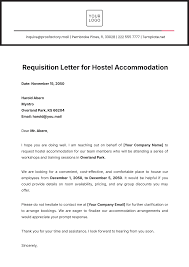
Title: How to Apply for Hostel Accommodation Step-by-Step (University Name)
Intro line: Use your school portal; follow exact instructions from the school’s accommodation page and pay ONLY on the official payment gateway.
Steps:
- Login to your student portal using the credentials provided at admission or by ICT. If you don’t have login details, contact the Registrar or ICT helpdesk immediately.
- Find the accommodation/hostel section (menu labeled “Accommodation”, “Hostel”, “Halls of Residence”, or “Student Services”). Universities publish explicit URLs and news when application opens.
- Complete the online form enter personal details, JAMB number, department, year of study, preferred hostel block (if allowed) and emergency contact.
- Upload required documents (see section 5).
- Generate payment invoice / Remita RRR on the portal do not accept external bank account details sent via social media. The portal will usually generate a unique payment reference (RRR) or direct you to the university payment gateway.
- Pay immediately using Remita, bank transfer, card, or the approved merchant. Keep screenshots and a PDF of the receipt.
- Confirm payment status on the portal (many portals have a payment status button). If status does not update automatically, forward receipt to accommodation support with your portal ID.
- Wait for allocation (you will get an email/SMS or see the allocation on your portal). Allocation notices usually include move-in dates and hostel rules.
- Complete check-in / clearance at the hostel office on arrival (bring original documents and receipt).
Copy tip: Replace “portal” with your school name and add the portal link from the school’s accommodation page.
4) Payment methods, Remita, RRR and receipts
- Remita / RRR (Remita Retrieval Reference): Many universities issue an RRR when you select “pay” on your portal. Use that RRR at Remita, bank online, or any Remita pay point. Always confirm payment by checking the portal. National Communications Commission
- University payment gateways: Some schools use Paystack, Flutterwave, Interswitch or their own payment engine. The portal will indicate the accepted channel. lasu.edu.ng
- What to keep: PDF receipt, bank SMS, screenshot of successful transaction, and RRR. Save them in two places (cloud + device).
- If payment fails: Do not retry multiple times without confirming the transaction status. Contact the accommodation office with proof; they can confirm and credit your portal manually.
5) Documents you must prepare & upload
Typically required:
- Admission letter / JAMB slip (PDF).
- Valid ID (international passport, national ID, or driver’s license).
- Passport photograph (scanned).
- Evidence of payment (if your portal needs manual confirmation).
- Medical report (only if required or if applying for special accommodation).
- Letter explaining special needs (if requesting medical or disability accommodations).
Universities sometimes ask for guarantor details or parent/guardian information have that ready.
6) Timelines & common windows (freshers vs returning students)
- Freshers (newly admitted): Hostels open applications shortly after admission letters and portal activation commonly between August–October for many schools (check your university news). Some schools do early balloting for freshers only.
- Returning students: Allocation windows sometimes occur before the new session; returning students may get priority for the same room if they paid termly.
- Late applicants: If you miss the window, keep checking the portal some spaces return after cancellations and there can be mid-session allocations.
7) After application: balloting, allocation, and appeals
- Balloting: If your school uses balloting, allocations are often published on the portal and notice board. Balloting lists may show your matric no or portal ID.
- Allocation email/SMS: Contains hostel block, room number, move-in instructions and rules.
- Appeals: If you have a special case (medical, distance from campus, security), write formally to the accommodation office with supporting documents. There is usually a short appeals window after allocation.
8) If you don’t get a hostel. immediate alternatives
- University-approved private hostels: Many universities maintain an approved list of private hostels near campus they often guarantee security and sometimes shuttle buses. Check the students’ affairs page.
- Off-campus rentals (room/mini-flat): For example, near UNILAG (Akoka, Lagos) and LASU (Ojo) there are many private hostels; compare prices and ask for a lease.
- Hostel Facebook groups / WhatsApp groups: Use official groups (not strangers) to find roommates and shared rooms.
- Short-term guest houses: Book a room for the first 2–4 weeks while you arrange permanent housing.
9) How to avoid hostel/payment scams (must-follow rules)
- Pay only on the official university portal or the gateway referenced there not to personal accounts or “admin” numbers DM’d on social media.
- Never share OTPs or bank tokens with anyone.
- Verify with official channels: Confirm payment/portal links from the university’s official website or verified social handles.
- Ask for official receipt and keep a screenshot. If the portal fails to confirm, do not accept messages from “staff” asking you to transfer to another bank account call the Registrar’s office.
- Be suspicious of “guarantee for payment” services that promise placement for a fee those are commonly scams.
10) Costs to expect (typical range)
- Application fee / Hostel processing: ₦500–₦5,000 (varies widely).
- Termly hostel fees (public unis): ₦6,000–₦50,000 per session or per semester, depending on hostel quality and university funding.
- Private hostels / en-suite rooms (Lagos/Abuja): ₦200,000–₦900,000 per session (or monthly ₦20,000–₦80,000) for private hostels near campuses.
- Other extras: Bedding, utilities, electricity surcharge, maintenance levy and security fees.
Location note: Cities like Lagos (UNILAG, LASU) and Abuja tend to have higher private hostel costs than Nsukka (UNN) or Ilorin (UNILORIN).
11) Quick FAQs (high-value, AdSense-friendly)
Q1: What if my portal shows “Not Allocated”?
A: Keep your payment receipt. Watch for re-allocation windows; appeal to accommodation office with proof if you paid. Some students are placed during second rounds.
Q2: Can I change hostel after allocation?
A: Sometimes after reporting to the hostel office and if spaces are available. A transfer fee may apply.
Q3: What if the hostel requires a “guarantor”?
A: A guarantor is usually a parent or guardian who signs an indemnity form. Universities explain accepted guarantor documents on their portal.
Q4: Should I use private agents who promise guaranteed placement?
A: No. Use official university channels. Agents asking for extra fees are often fraudulent.
Q5: Can I get a refund if I cancel before move-in?
A: Refund rules vary; check the accommodation policy. Many universities allow partial refunds before a deadline but not after allocations are finalized.
Final tips
- ✅ Verify every link from your university’s official website (news/notice) before paying.
- ✅ Pay as early as possible for first-come or limited spaces.
- ✅ Keep multiple proofs of payment (screenshot + PDF).
- ✅ Choose hostels near essentials (clinic, library, ICT centre) if commuting is a concern.
- ✅ Plan for off-campus backup — map five nearby options before arrival.
Official resources & examples (start here)
- UNILAG accommodation news & portal (for Lagos students). University Of Lagos
- LASU payment and accommodation guidelines (Ojo, Lagos). lasu.edu.ng
- UNN accommodation notices (Nsukka). University Of Nigeria Nsukka
- Remita RRR / payment guidance for university invoices. National Communications Commission+1
Conclusion
Applying for hostel accommodation in Nigerian universities is mostly an online process: activate your portal, apply early, pay only on official gateways (keep RRR and receipts), and follow allocation instructions. If you miss out, use approved private hostels or short-term rentals while you appeal. Bookmark the accommodation page of your university now and add “hostel application” to your calendar for the first week after your admission portal is activated.