
Choosing a university course is one of the most important decisions a student makes and for many Nigerian families the emphasis is practical: which course will give the best chance of steady employment, career growth, and good pay after graduation? The Nigerian job market in 2024–2025 shows growing demand in technology (software, data, cybersecurity), healthcare, engineering (especially power and petroleum transition roles), fintech & financial services, agriculture value chains, logistics, and renewable energy. At the same time, traditional professional courses like Medicine, Law, and Accounting still offer strong, reliable career pathways when paired with local licensing and practical experience.
This guide gives a clear, practical ranking of the best courses to study in Nigeria based on present job demand (2025), explains why each course is promising, typical career paths, expected entry-level salaries (ranges), and what skills and extra certifications boost employability. Wherever useful, I point out strong Nigerian universities or programmes to consider and give concrete action steps students can take now to make themselves hireable on graduation. Sources and labour-market signals from NBS reports, WHO findings on health workforce needs, and job-market platforms were used to compile this (see citations throughout).
Table of Contents
1) Quick summary, Top 12 courses with the best job prospects
- Computer Science / Software Engineering tech development, fintech, startups.
- Data Science / Artificial Intelligence & Machine Learning analytics, fintech, telecom.
- Cybersecurity / Information Security banks, telcos, government, remote roles.
- Medicine & Nursing (Health professions) clinical roles, public health, private healthcare; huge demand for workforce.
- Engineering (Electrical, Mechanical, Civil, Chemical) infrastructure, power, oil & gas transition.
- Accounting & Finance / Actuarial Science corporate finance, audit, fintech.
- Computer Engineering / Electronics & Telecommunications hardware, network, telcos.
- Agricultural Science / Agribusiness / Food Technology value chains, agritech, commercial farming.
- Pharmacy & Medical Laboratory Science hospitals, diagnostics, pharmaceutical industry.
- Law (with Corporate/Tech focus) corporate compliance, fintech regulation.
- Logistics & Supply Chain Management e-commerce, import/export, FMCG.
- Renewable Energy / Environmental Engineering solar, energy transition projects.
Note: the top three (software, data, cybersecurity) show the fastest hiring growth on job platforms in Nigeria and via remote work opportunities. The health professions and engineering remain high-demand steady pipelines because of workforce gaps and infrastructure needs.
2) Detailed breakdown, course-by-course (why they’re in demand & career paths)
1. Computer Science / Software Engineering

Why: Nigeria’s startup and fintech boom (payments, remittances, lending, crypto-related services) keeps a major demand for developers, backend engineers, mobile developers, and full-stack developers. Remote work and outsourcing opportunities mean graduates can earn in foreign currencies. Job boards consistently list software roles as top openings.
Career routes: Junior developer → Senior developer → Tech lead / Product manager → CTO / Founder.
Suggested extra skills/certs: Git, React/Angular/Vue, Node.js, SQL/NoSQL, REST & GraphQL, Docker, cloud basics (AWS/GCP/Azure).
Entry-level salary (NGR est.): ₦120,000–₦400,000/month (varies widely by company and remote/onsite).
Where to focus: Fintech companies (Lagos), startups (Yaba), remote marketplaces.
2. Data Science / AI / Machine Learning

Why: Firms (banks, telecoms, e-commerce) need data teams for credit scoring, churn prediction, personalization, and automation. Demand skyrockets where data-driven decision-making is valued.
Career routes: Data analyst → Data scientist → ML engineer → Head of data.
Skills/certs: Python, pandas, scikit-learn, TensorFlow/PyTorch, SQL, data viz (Tableau/Power BI).
Entry-level salary: ₦150,000–₦450,000/month.
3. Cybersecurity / Information Security

Why: As digital payments, cloud usage, and online services grow, security threats grow too. Banks, fintechs, government agencies and large corporates need security engineers and auditors.
Certs to target: CompTIA Security+, CEH, CISSP (later), OSCP (for advanced).
Entry-level salary: ₦150,000–₦450,000/month (higher in top banks/fintech).
4. Medicine, Nursing & Allied Health (MBBS, Nursing, MLS)
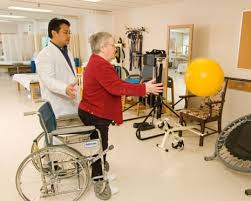
Why: Nigeria continues to face healthcare worker shortages; WHO and global health studies show large workforce gaps. Medical and allied health professions remain critically needed and locally resilient careers.
Career paths: Housemanship → Residency → Consultant / Clinical practice / Research / Health administration.
Entry-level salary: Medical intern stipends vary; qualified doctors earn significantly more in private hospitals or abroad. Nursing graduates: ₦40,000–₦200,000+ depending on hospital.
Important: Licensure (e.g., Medical and Dental Council of Nigeria, Nursing Council) is essential.
5. Engineering (Electrical, Mechanical, Civil, Chemical)
Why: Infrastructure development, power projects, oil & gas and the energy transition create steady demand. Civil engineers for roads, buildings; electrical engineers for power and renewables.
Career routes: Graduate engineer → Site engineer → Project engineer → Project manager / Specialist.
Entry-level salary: ₦80,000–₦300,000/month depending on sector and location.
6. Accounting, Finance & Actuarial Science
Why: Every business needs accountants, auditors, finance analysts; fintech adds corporate finance and compliance jobs. Actuarial science is highly paid for those who pass professional exams.
Certs: ICAN, ACCA, CIMA, CFA (for finance roles).
Entry-level salary: ₦100,000–₦350,000/month.
7. Computer Engineering / Electronics & Telecoms
Why: Telecom expansions, network engineering, and IoT projects create demand for hardware-knowledgeable engineers.
Career routes: Network engineer → Systems engineer → Telecoms consultant.
8. Agricultural Science & Agribusiness
Why: Government and private investments in agriculture, food security, and agritech scale-ups create new jobs from mechanised farming to processing and value chain tech. Nigeria prioritizes agricultural growth as a job-creation sector.
Entry-level salary: varied (₦40,000–₦250,000) depending on role and farm/company.
9. Pharmacy & Medical Laboratory Science
Why: Diagnostic services and pharmaceutical distribution expand with healthcare demand and private clinics.
Career: Hospital pharmacist → Pharma industry → Regulatory/CRO roles.
10. Law (with Corporate / Tech Regulatory focus)
Why: Fintech, corporate transactions, and startups need legal counsel for compliance, contracts, and regulation. Adding knowledge of fintech law, tax, or IP increases employability.
Extra: NYSC, Law School (for practicing), short courses in fintech/regtech.
11. Logistics & Supply Chain Management
Why: E-commerce, retail, and import-export businesses create jobs in warehousing, transport, and last-mile delivery. Optimizing supply chains is a growth area.
Entry-level salary: ₦60,000–₦250,000 depending on company.
12. Renewable Energy & Environmental Engineering
Why: Solar projects, mini-grids, and energy transition investments are growing across states graduates with solar design or power systems knowledge are sought after.
Career: Solar engineer → Project developer → Energy consultant.
3) Where to study (best Nigerian options & locations)
- Technology & Engineering: University of Lagos (UNILAG), Covenant University, University of Ibadan (UI), Obafemi Awolowo University (OAU), University of Benin (UNIBEN), University of Nigeria Nsukka (UNN). (Lagos & Abuja are tech hubs for internships.)
- Medicine & Allied Health: University of Ibadan, UNILAG (College of Medicine), University of Nigeria Nsukka, Ahmadu Bello University (ABU Zaria). (Teaching hospitals attached to these schools ease clinical placements.)
- Finance & Accounting: University of Lagos, University of Ilorin, University of Ibadan; private universities with strong professional partnerships also help.
- Agriculture & Agribusiness: University of Ibadan, Federal University of Agriculture Abeokuta (FUNAAB), Ahmadu Bello University (Zaria).
- NOUN & Open Learning for working adults: NOUN is great for distance learners, part-time students, or those needing flexible scheduling.
Tip: Choose a school that gives practical exposure industrial attachments, strong departmental industry links, and active career services. Location matters for internships; Lagos remains the primary hub for tech & fintech; Abuja and Port Harcourt have government and oil/gas jobs.
4) Salary expectations & employability realistic view
- Tech jobs (software/data/cyber): Highest ceiling and fastest growth. Entry-level ₦120k–₦450k/month; with 2–4 years experience often double or triple that, and remote roles can pay in dollars/pounds. Job boards show consistently high volume for these roles in Nigeria.
- Healthcare: Salaries are variable; specialist doctors earn much more than general hospital staff. Workforce demand is steady due to shortages documented in health studies.
- Engineering & finance: Competitive mid-level packages, often with allowances and hazard pay in oil/gas or projects.
- Agriculture & logistics: Growing but typically lower starting pay; entrepreneurship in agribusiness or logistics often yields higher returns when scaled.
Important labour-market context: Nigeria’s labour statistics show dynamic changes in unemployment and underemployment rates through 2023–2024, underscoring the need for market-aligned skills and practical experience when applying for roles.
5) How to choose the right course a student checklist
- Interest + aptitude test: Can you enjoy 4–6 years of study in the subject? Do basic coding/math tests if choosing tech/data.
- Job-market match: Does the course map to the sectors hiring now (tech, health, engineering, fintech, agribusiness)?
- Practical exposure availability: Does the university offer labs, internships, industrial attachments, or partnerships?
- Licensing & professional path: Medicine, Pharmacy, Law know the licensing requirements (Medical/Dental Council, Pharmacy Council, Law School).
- Alternative paths: If a degree is not immediately employable, what postgraduate certificates, masters, or bootcamps will you pursue?
6) Skills employers want (practical, add to your CV now)
- Tech & Data: Problem solving, coding (Python/JavaScript), version control (Git), SQL, cloud basics, data storytelling.
- Cybersecurity: Network fundamentals, Linux, security fundamentals (SIEM, IDS), ethical hacking basics.
- Health: Clinical competence, patient communication, research literacy, digital health tools.
- Engineering: CAD, project management basics, health & safety, field work readiness.
- Finance: Excel modelling, accounting software, financial statement analysis, regulatory understanding.
- Universal employability skills: English communication, teamwork, time management, problem solving, digital literacy.
7) How to boost employability while studying concrete steps
- Internships & attachments: Aim for at least one industry attachment per academic year. Lagos, Abuja, and Port Harcourt have the most placements depending on sector.
- Projects & portfolio: For developers build GitHub projects; for data small analyses with public datasets; for engineers personal design or participation in competitions.
- Certifications: Short certs (AWS Cloud Practitioner, CompTIA Security+, Google Data Analytics, ICAN/ACCA modules) add credibility.
- Hackathons & competitions: These often lead to job interviews and recruiter attention.
- Freelance & remote gigs: Platforms like Upwork or remote job boards let students earn and build experience.
- Networking: LinkedIn, alumni groups, industry meetups (meetups and tech hubs in Yaba/Lagos) are high-value.
8) FAQs
Q1: Which course guarantees a job in Nigeria?
No course guarantees a job but courses aligned with market demand (software, data, healthcare, engineering, accounting) + practical experience give the highest probability of employment.
Q2: Is Computer Science better than Engineering for jobs?
Both are strong. Computer Science currently offers faster growth and remote-pay potential; engineering provides stable, locally-rooted project jobs. Choose based on interest and city/hub opportunities.
Q3: Should I study Medicine for job security?
Medicine offers long-term security and high social value, but it requires lengthy training, licensing, and readiness for clinical demands. Health workforce shortage shows steady demand.
Q4: Are short tech bootcamps enough?
Bootcamps can help launch a career (especially in coding), but combining a degree with bootcamp skills or certs improves long-term prospects.
Q5: Where do most graduate jobs come from in Nigeria?
Top employers include banks & financial institutions, fintechs, telecoms, health providers, oil & gas (for engineering), agriculture companies, and tech startups concentrated in Lagos, Abuja, and industrial hubs. Job boards and industry reports show these sectors with steady hiring volumes.
9) Quick action plan for students (what to do next month)
- Pick 2–3 courses from this list that match your interest and job goals.
- Do a simple skills audit: which basic skills (coding, Excel, lab skills) can you start now?
- Build one small project (GitHub repo, data dashboard, or small business plan for agribusiness).
- Apply for 2 internships or part-time roles this term even unpaid attachments count for experience.
- Get one relevant short certification (CompTIA Security+ / Google Data Analytics / AWS Cloud Practitioner / basic accounting module).
Sources & labour-market signals (selected)
- National Bureau of Statistics / Nigeria labour statistics and Q2 2024 highlights (unemployment & underemployment context).
- WHO and global health workforce studies describing shortages and health workforce priorities (explains steady demand for medical & allied professions).
- Job market platforms and recent job listings showing demand for software developers, data specialists and cybersecurity professionals in Nigeria (LinkedIn / Indeed signals).
Conclusion
If your goal is the best chance of steady employment in Nigeria today (2025), focus on courses that combine technical skills + practical exposure: Computer Science, Data Science, Cybersecurity, Health Professions, Engineering, Accounting/Finance, and Agribusiness top the list. But remember: degrees open doors experience, portfolio, certifications, and networking make people hireable. Start small a GitHub repo, a short cert, or one industry attachment and scale from there.
-

JAMB Flags Thousands of Illegal Admissions Nationwide — Board Clamps Down on Unauthorized Offers Across Institutions
The Joint Admissions and Matriculation Board (JAMB) has intensified efforts to crack down on illegal admissions across Nigeria’s tertiary institutions. In a recent nationwide audit, the board flagged thousands of unauthorized admission cases, including candidates who were admitted without proper documentation or through unofficial channels. This move comes as part of JAMB’s broader mandate to…
-

No UTME/DE Form Fee Increase for 2026 Registration — JAMB Assures Applicants of Stable Registration Cost
The Joint Admissions and Matriculation Board (JAMB) has officially confirmed that there will be no increase in the registration fees for the 2026 UTME (Unified Tertiary Matriculation Examination) and Direct Entry (DE) forms. This announcement comes as a relief to millions of Nigerian students and their parents who annually prepare financially to participate in these…
-

Affordable Universities Candidates Should Consider for 2026 UTME — List of Accessible Universities for UTME Aspirants
Every year, thousands of Nigerian students sit for the Unified Tertiary Matriculation Examination (UTME) with hopes of securing admission into top universities. While some candidates dream of elite federal or private universities, the reality is that tuition and living costs can be prohibitively high for many families. For these students, choosing affordable universities becomes a…