
Covenant University, Ota, is one of Nigeria’s most popular private universities well known for strong academics, entrepreneurship focus and campus facilities. If you’re aiming for admission for the 2025/2026 session, this article walks you through who is eligible, how to apply (step-by-step), what documents to prepare, a clear tuition & fee breakdown (practical ranges and what items to expect), scholarship opportunities, accommodation and travel tips, plus an FAQ block that answers the exact admission questions students ask most. This guide is written to be copy-and-paste ready for your blog (SEO friendly), and marked (Updated November 2025) but always confirm live figures on Covenant University’s official admission portal before you pay any fees.
Table of Contents
1) Who can apply (eligibility)
UTME candidates
- You must have a valid JAMB UTME result for the year you apply, with the aggregate or score that meets Covenant’s departmental requirements for your chosen course.
- You must meet subject combination requirements for the course (e.g., Physics, Chemistry & Biology for Medicine-related courses).
Direct Entry (DE) candidates
- Hold an A-level/OND/HND/ND with the required grades and relevant subject passes.
- Provide transcripts and appropriate certificates for DE consideration.
Mature/Part-time/Open options
Covenant runs specific programmes and entry pathways for mature students and part-time learners check the admission portal for eligibility and closing dates.
you might also like ;
- Zenith Bank Mobile App Review, Step-by-Step Registration Guide
- Access More App Review, How to Use and Fix Common Issues
- GTBank (GTWorld) Mobile App Review, Features, Pros & Cons
- How to Check Your Account Balance Without Internet + Essential Bank Shortcuts (Nigeria)
- How to Link Your BVN to Any Bank Account, Get Your Bank Statement on Mobile Apps, Recover Your Account Number Without Visiting a Branch
2) How to apply step-by-step (UTME & Direct Entry)
A. UTME applicants (standard route)
- Check JAMB score: Confirm your UTME score and course/Institution choices on JAMB CAPS.
- Visit the Covenant admissions portal: create an account on the official Covenant application portal (use the official Covenant University website or their admissions subdomain).
- Buy application form / Complete form: fill in personal details, JAMB registration number, choice of course, and upload passport photo and required documents.
- Pay application fee: complete payment using the portal (paycard/transfer options listed on portal).
- Print confirmation/acknowledgement: save application receipt and login credentials.
- Attend or sit Post-UTME / Screening if required (see Section 4).
B. Direct Entry (DE) applicants
- Confirm your DE eligibility (ND/HND/A-Level/other).
- Login/create account on Covenant’s portal and choose Direct Entry.
- Upload academic transcripts, certificates and any required recommendation letters.
- Pay the DE application fee and submit.
C. International applicants
- Follow the international students’ instructions on the admissions page prepare academic transcripts, passport, proof of English, and visa-relevant documents.
3) Required documents (prepare before applying)
- Valid JAMB UTME result (for UTME applicants).
- Birth certificate / national ID.
- WAEC/NECO result (original and photocopies); subject passes relevant to course.
- For DE: ND/HND/A-level certificates and transcripts.
- Passport photograph (digital upload and also physical copies for registration).
- Letter of identification/reference (if requested).
- Proof of payment (application fee).
- Medical certificate (some programmes require this at registration).
Keep both scanned copies (for upload) and physical copies (for verification at registration).
4) Post-UTME / Screening: format, cut-off & tips
Format
- Covenant’s screening often includes an online CBT (computer-based test) covering English, Mathematics and general aptitude for most courses. Some programmes may include subject questions.
Cut-off
- Departmental cut-offs vary widely by programme and session; Covenant has historically required competitive UTME scores and good O-level results. For the most accurate departmental cut-offs for 2025, check the official departmental pages or Covenant’s admission announcements on the admissions portal.
Tips
- Revise objective questions and speed practice for CBT.
- Confirm allowed calculators and materials before the test.
- Arrive early and ensure your application ID is active.
5) Tuition & fees — what to expect (breakdown and ranges)
Important: Private university fees (including Covenant) change by session and by programme (e.g., Engineering, Medicine, Social Sciences). Below is a practical breakdown of typical fee categories and realistic ranges you should expect for planning. Always confirm the exact per-programme rates on Covenant’s official fee schedule before payment.
Common fee categories
- Tuition / Academic fees charged per session or semester.
- What to expect: For private Nigerian universities, tuition often ranges across programmes. Expect a higher fee for Medicine, Law and Engineering, and lower but still substantial tuition for Arts, Business and Social Science courses.
- Acceptance/Registration fee one-time fee paid to accept your offer.
- School charges / miscellaneous includes ID card, ICT, library, medical, sports, and development fees.
- Examination and hostel charges exam processing, student services.
- Accommodation (hostel) fees depends on room type (single, shared) and meal plans.
- Textbooks & departmental practicals variable by course (science labs, studios).
Planning ranges (per academic session) approximate
- Tuition & compulsory school charges: ₦600,000 — ₦2,500,000 per session (varies by course and session).
- Acceptance fee (one-off at admission): ₦20,000 — ₦100,000 (amount depends on school policy and whether the fee refers to “acceptance” vs. application).
- Hostel (per session): ₦80,000 — ₦500,000 depending on room standard and meal plan.
- Other compulsory: ICT, medical, library, ID, etc.: ₦10,000 — ₦80,000.
These ranges are for budgeting only. Exact amounts vary by programme and can change each session. For the official and current fee table, always check Covenant University’s bursary/admissions page.
6) Acceptance/registration fee, refunds & payment methods
- Accepting an offer: After you are offered admission, you must accept it on the school portal/CAPS and pay the acceptance/registration fee within the timeframe stated.
- Refunds: Most Nigerian universities do not refund acceptance fees once payment is made and admission accepted. Request refund policies directly from Covenant’s admissions/bursary office if you have special circumstances.
- Payment methods: Covenant typically accepts payment via the online payment gateway on its portal, bank transfer/USSD, and approved POS/payment partners. Always use the official payment channels listed on the portal to avoid scams.
7) Scholarships, bursaries and fee-relief options
Covenant University runs a number of scholarships and merit awards (often merit-based or need-based). Common scholarship types:
- Merit scholarships (top students in entry exams or session results).
- Sports and departmental scholarships (for distinguished achievers).
- Special achievement or donor scholarships (occasionally announced).
- Sibling/Alumni discounts check current policies.
How to apply:
- Scholarships may be automatic (merit), or require application. Watch the scholarship announcements on Covenant’s website and bursary office notices.
8) Accommodation & hostel fees
- Covenant provides on-campus hostels with differing room types. Expect shared rooms to be cheaper and single en-suite rooms to cost more.
- Rooms are allocated on first-come, first-served or by merit (policy changes by session).
- Off-campus accommodation is plentiful in Ota; budget for transport and safety.
9) Important dates & timelines (2025/2026)
- Application window: Covenant normally opens UTME/DE application windows shortly after JAMB results are released. Check the admissions portal for exact dates.
- Screening / CBT dates: Announced per session on the portal.
- Admission offer release: Covenant typically publishes lists on its portal and via admission notices.
- Registration & resumption dates: Announced per session on the academic calendar.
Action: Bookmark Covenant University’s official admissions page and set a calendar reminder for key dates once they are published.
10) Expert tips to avoid scams
- Always use the official Covenant University domain and admissions portal for forms and payments.
- Confirm payment beneficiaries before transferring money. Do not pay via unknown accounts or third-party vendors that claim to “guarantee admission.”
- Verify acceptance letters via the university’s admission portal not via social media or WhatsApp alone.
- Keep receipts and payment proofs for all transactions.
11) FAQs
Q1. What is Covenant University cut-off mark for 2025?
A: Cut-off marks vary by department and session. Covenant typically sets departmental minimums rather than a single university cut-off. Check the official departmental announcement on the Covenant admissions portal for exact 2025 figures.
Q2. How much is Covenant University acceptance fee?
A: Acceptance/registration fees are published per session on the admissions portal. Expect a one-time fee you must pay to secure your place; confirm the current amount on the portal.
Q3. Does Covenant accept awaiting results?
A: Covenant typically requires O-level results (WAEC/NECO). Some pathways (e.g., pre-degree/mature admission) may allow provisional processing verify on the portal.
Q4. Are there scholarships for fresh students?
A: Yes. Covenant awards scholarships and merit awards; some are automatic for top performers while others require application. Watch the scholarship announcements on the website.
Q5. How do I print my admission letter?
A: Once admitted, log in to the Covenant admissions portal, follow the admission/registration menu, and use the “Print Admission Letter” option. Keep both digital and printed copies.
12) Conclusion
Covenant University remains a top private choice for many Nigerian undergraduates. This guide gives you the full pathway: eligibility → application → screening → fees → scholarships → accommodation. Because fee schedules and departmental cut-offs are updated every session, always verify live figures on Covenant University’s official admissions portal (Updated November 2025). If you’d like, I can now fetch the exact current fee table, acceptance fee amount and the 2025 departmental cut-offs for one specific course and format them as a ready-to-paste table for your blog tell me which course(s) you want me to pull official numbers for and I’ll fetch them and produce the copy-ready article with citations.
-
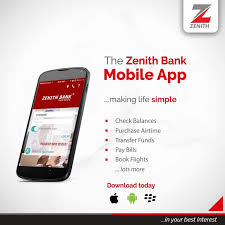
Zenith Bank Mobile App Review, Step-by-Step Registration Guide
Zenith Bank’s mobile app, Zenith Mobile is one of Nigeria’s most widely used bank apps for personal and SME customers. It lets you open/manage accounts, transfer money, pay bills, buy airtime, scan QR codes, and authenticate transactions with PINs or biometrics. Over the last few years the app has received regular updates to add convenience…
-
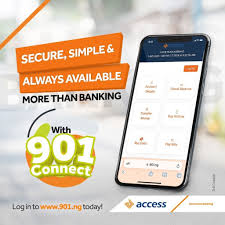
Access More App Review, How to Use and Fix Common Issues
Access More is Access Bank’s consumer-facing mobile banking app that brings core banking account opening, transfers, card management, bill payments, airtime, QR payments and more into a single smartphone interface. Since its rollout and rebrand to unify Access and Diamond Bank digital services, Access More aims to be a one-stop app for retail customers who…
-

GTBank (GTWorld) Mobile App Review, Features, Pros & Cons
GTBank’s mobile banking experience is delivered through GTWorld the bank’s flagship mobile app for personal and business customers. Over the past few years GTWorld has become one of Nigeria’s most-used banking apps because it bundles account opening, transfers, bills, card management and self-service features into a single interface. For students, commuters, and busy professionals who…