
Babcock University remains one of Nigeria’s leading private universities popular for strong programmes in Medicine, Nursing, Business, Engineering and the Social Sciences. If you plan to apply for the 2025/2026 academic session, this guide gives everything you need: entry requirements (UTME & Direct Entry), how to register for Post-UTME screening, a clear breakdown of tuition and compulsory charges by level/course where available, step-by-step payment instructions, scholarship and bursary options, and answers to common admission questions. All figures and dates in this article were checked against the latest available school notices and fee schedules as of November 2025. Use this as your copy-ready article copy and paste straight to your blog. Sources for key facts are cited in the body so readers can verify official details.
Table of Contents
1. What programmes does Babcock offer?
Babcock University runs a wide range of undergraduate programmes across faculties including: Medicine and Surgery, Dentistry, Clinical Sciences, Basic Medical Sciences, Pharmacy, Nursing, Engineering, Law, Management & Social Sciences, Natural & Applied Sciences, Education, and Theology. The university also offers postgraduate programmes and professional courses. For detailed departmental lists and specific course accreditation, consult the university’s official programme listing.
2. Admission requirements (UTME & Direct Entry)
UTME (Freshers)
- Minimum UTME score: Most programmes require at least 170 UTME aggregate for 2025 entry (check specific departmental cut-offs as some competitive courses demand higher). Applicants must also have at least 5 credits in SSCE/NECO/GCE (not more than two sittings) in relevant subjects; professional programmes (e.g., Medicine) normally require one sitting.
you might also like ;
- Zenith Bank Mobile App Review, Step-by-Step Registration Guide
- Access More App Review, How to Use and Fix Common Issues
- GTBank (GTWorld) Mobile App Review, Features, Pros & Cons
- How to Check Your Account Balance Without Internet + Essential Bank Shortcuts (Nigeria)
- How to Link Your BVN to Any Bank Account, Get Your Bank Statement on Mobile Apps, Recover Your Account Number Without Visiting a Branch
Direct Entry (DE)
- Direct Entry candidates must hold A-level, IJMB, NCE (with relevant subject combinations) or approved HND qualifications and meet departmental subject requirements. DE applicants still apply via JAMB Direct Entry portal and follow the university’s DE screening instructions. Confirm any programme-specific subject or grade conditions on the admissions page before applying.
Note: Age, health clearance, and evidence of nationality may be required during registration. Always confirm small variations (e.g., specific departmental subjects) on the official Babcock portal.
3. Post-UTME / Screening: how to register (step-by-step)
- Check eligibility: Confirm your UTME score meets the programme minimum and that you have the required O-Levels.
- Visit the Babcock admissions portal: Follow the “Admissions” → “Post-UTME / Screening” link on the official site (use only the official university URL).
- Create an account: Register with your JAMB Reg. No, email and phone number.
- Complete the online form: Provide personal data, O-Level details and course choice.
- Upload required documents: Passport photo, O-Level certificates (or awaiting result slip), UTME result, and any DE documents if applicable.
- Pay screening fee: Payment options typically include bank transfer, payment gateway on the portal, or approved remita/bank partners (see payment section below). Keep payment evidence.
- Attend scheduled screening/test (if any): Some programmes may have online CBT tests or in-person interviews follow the timetable on the portal.
- Wait for admission list: Successful candidates are published on JAMB CAPS and the university portal; follow the “How to Accept/Reject” guidance when offer is visible.
4. Full fees & charges, session 2025/2026 (breakdown & examples)
Important: Private university fees vary significantly by programme (Medicine, Clinical Sciences and Engineering are typically highest). The values below are representative ranges gathered from official fee notices and reputable fee-listing sources as of November 2025. Always cross-check with the university’s official fee schedule before publishing.
Typical fee components
- Tuition (sessional) payable per session (two semesters).
- Acceptance/Enrollment fee one-time for freshers.
- Student union/medical/ID/ICT/Library levies compulsory recurring charges.
- Hostel accommodation & utility optional but listed separately.
- Clinical/Lab/Studio fees for Medicine, Science, Engineering, Arts (where applicable).
- Development levy / Alumni / Insurance may apply.
Representative ranges (2025/2026)
- Medicine & Surgery, Clinical Programmes: ₦1,000,000 – ₦1,400,000 per session (includes higher clinical/consumables charges).
- Pharmacy, Nursing, Dentistry: roughly ₦800,000 – ₦1,200,000 per session.
- Engineering & Computer Science: roughly ₦600,000 – ₦1,000,000 per session.
- Management, Social Sciences, Education, Theology: roughly ₦400,000 – ₦800,000 per session.
- Hostel: ₦50,000 – ₦200,000 per session depending on room type and facilities.
Example breakdown for a typical Science/Engineering student (illustrative):
- Tuition: ₦600,000
- Library/ICT levy: ₦25,000
- Medical/ID: ₦10,000
- Development levy: ₦50,000
- Total (session): ≈ ₦685,000
Freshers acceptance fee: Expect a separate acceptance/enrollment fee (check portal for exact amount when offer is made).
5. How to pay fees and acceptance charges (safe steps)
- Use official channels only: Pay via the university’s official payment gateway, remita or designated bank partners listed on the portal. Avoid third-party agents who ask for full bank details.
- Keep receipts: Save PDF receipts and transaction IDs you’ll need them for registration and clearance.
- Confirm payment posting: After payment, check the portal to ensure the payment reflects; if not, contact the fees office with evidence.
- Use PAYE options if available: Some private universities allow instalment plans request written terms and confirm any interest/penalties.
- Avoid cash handoffs: All official payments should be traceable to university accounts or payment partner portals.
6. Scholarships, bursaries & payment plans
- Merit scholarships: Babcock offers limited scholarships to outstanding candidates and returning students with excellent CGPA. Check departmental scholarship criteria on the website.
- Need-based bursaries: Occasionally available through the university’s student support office; application usually requires evidence of need and supporting documents.
- External scholarships: Look for government (state/federal) and private scholarships (corporate, NGOs) that cover study at private universities.
- Student loans & plans: Private institutions may accept NELFUND or approved student loan disbursements where applicable verify with the finance office.
7. Important dates & deadlines (2025/2026)
- UTME/DE eligibility window: Check JAMB’s portal for exact dates (JAMB controls UTME timeline).
- Post-UTME registration window: Published on Babcock’s portal typically shortly after JAMB release of results and before matriculation. Always confirm current session dates on the official admissions page.
Reminder: Admission windows and deadlines change annually. Always publish the specific dates you verify from the university when this article goes live and include “(Updated [Month Year])” as your update policy.
8. Frequently Asked Questions (FAQ)
Q1. What is the minimum JAMB score for Babcock?
A: For 2025 entry most programmes list a minimum of 170 UTME aggregate as eligibility. Competitive programmes (Medicine, Dentistry) may require higher and strict one-sitting O-Level requirements.
Q2. Can I apply with awaiting results?
A: Yes many programmes accept awaiting O-Level results at application, but final admission requires submission of final results before registration. Always confirm course-specific rules.
Q3. How do I accept an admission offer?
A: Check JAMB CAPS to accept/refuse JAMB offers. Freshers must also follow the university portal’s acceptance/registration steps and pay any acceptance fee.
Q4. Are there instalment plans for fees?
A: Some private universities offer fee instalments or payment plans. Contact Babcock’s finance office directly for current instalment options and terms.
Q5. Where can I see the official fee schedule?
A: The university publishes the detailed fee schedule each session on its official website and notice boards—always use the official portal for final figures.
9. Conclusion
Babcock University remains a top private choice for many Nigerian students. For 2025/2026 admission, ensure you meet UTME/DE requirements (minimum UTME eligibility broadly reported as 170), complete the Post-UTME screening through the official portal, and check the university’s official fee schedule because course fees vary widely from mid-hundreds of thousands to over a million naira per session for clinical courses. Double-check dates and precise fee figures on Babcock’s admissions/finance pages before publishing or paying. (Updated November 2025.)
Sources / Further reading (key links)
- Babcock University Post-UTME/Admissions notice and requirements.
- Recent Babcock University school fees summaries and sessional breakdowns.
-
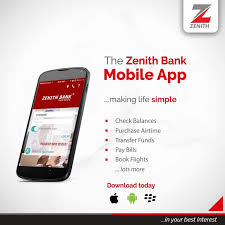
Zenith Bank Mobile App Review, Step-by-Step Registration Guide
Zenith Bank’s mobile app, Zenith Mobile is one of Nigeria’s most widely used bank apps for personal and SME customers. It lets you open/manage accounts, transfer money, pay bills, buy airtime, scan QR codes, and authenticate transactions with PINs or biometrics. Over the last few years the app has received regular updates to add convenience…
-

Access More App Review, How to Use and Fix Common Issues
Access More is Access Bank’s consumer-facing mobile banking app that brings core banking account opening, transfers, card management, bill payments, airtime, QR payments and more into a single smartphone interface. Since its rollout and rebrand to unify Access and Diamond Bank digital services, Access More aims to be a one-stop app for retail customers who…
-

GTBank (GTWorld) Mobile App Review, Features, Pros & Cons
GTBank’s mobile banking experience is delivered through GTWorld the bank’s flagship mobile app for personal and business customers. Over the past few years GTWorld has become one of Nigeria’s most-used banking apps because it bundles account opening, transfers, bills, card management and self-service features into a single interface. For students, commuters, and busy professionals who…